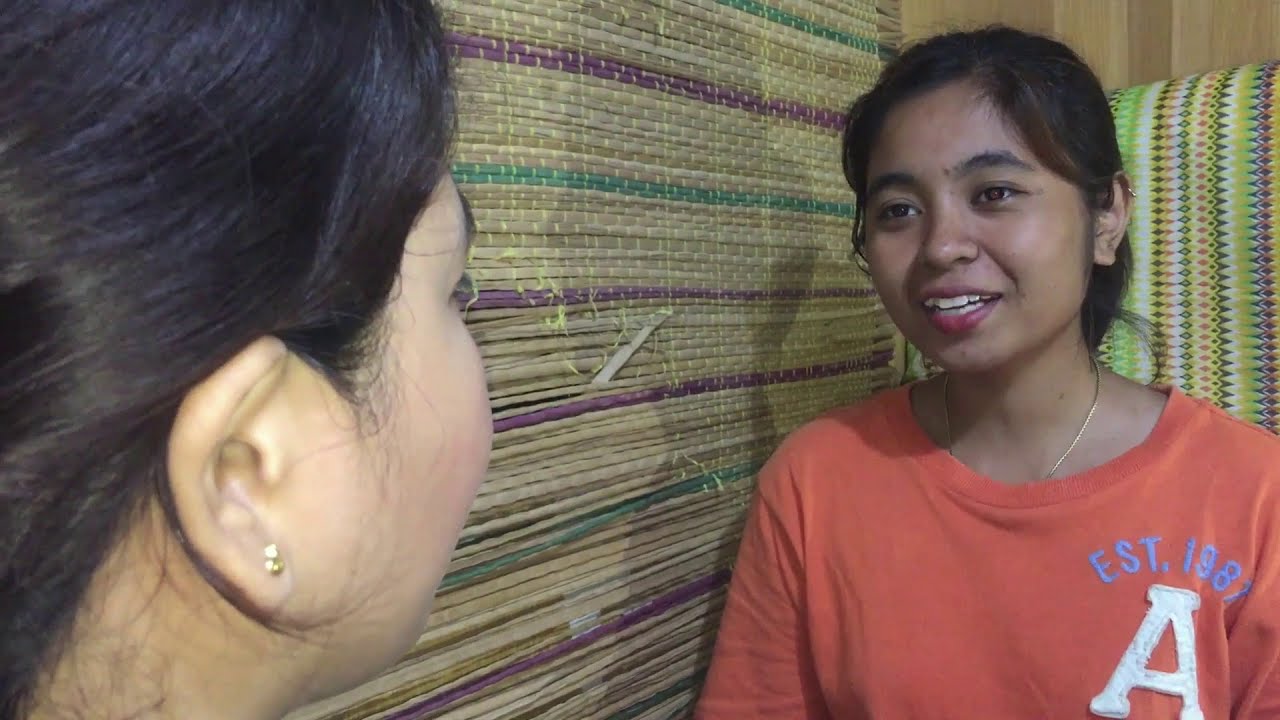
“Hello everyone, and welcome to today’s lesson! In this video, we’re going to learn how to talk about your hobbies in Cebuano. Whether you’re just starting out or looking to improve your conversational skills, this is the perfect way to express what you love doing. Let’s dive in and have some fun learning together!”
*This learning material is designed with the assumption that you will be having lessons with Filipino wife, husband, boyfriend, girlfriend, friends, or language teachers.

Let’s review this video lesson!
In this lesson, you will;
Learn how to express your hobbies.
Vocabulary
Directions: Listen and repeat after your teacher.
- Meaning: Hobby / Interest / Something enjoyed
- Part of Speech:
- Gikalingawan: Verb (Past or Present tense, stative)
- Hilig: Noun or Adjective (Interest or fondness)
- Usage: Used to express hobbies, activities one enjoys, or general interests.
- Examples:
- Meaning: To travel frequently / Go on trips
- Part of Speech: Verb (Future or Habitual tense)
- Usage: Refers to traveling around for leisure or work.
- Examples:
Bakangteng oras
- Meaning: Free time / Spare time
- Part of Speech: Phrase
- Usage: Refers to time available for leisure or personal activities.
- Examples:
- Meaning: Like / Want / Enjoy
- Part of Speech: Verb (Present tense, stative)
- Usage: Expresses a liking or desire for something.
- Examples:
Buhaton
- Meaning: To do / To perform / To accomplish
- Part of Speech: Verb (Future tense)
- Usage: Refers to actions that someone intends to do or accomplish.
- Examples:
- Meaning: To run around
- Part of Speech: Verb (Future or Habitual tense)
- Usage: Refers to running or moving quickly in an energetic or playful manner.
- Examples:
- Meaning: To play
- Part of Speech: Verb (Future or Habitual tense)
- Usage: Refers to engaging in games, sports, or playful activities.
- Examples:
Unsa paman?
- Meaning: What else?
- Part of Speech: Interrogative Phrase
- Usage: Used to ask for additional options, ideas, or information.
- Examples:
- Meaning: To cook casually or try cooking
- Part of Speech: Verb (Future or Habitual tense)
- Usage: Refers to experimenting or casually cooking something.
- Examples:
- Meaning: Me too! / I also!
- Part of Speech: Phrase (Expression)
- Usage: Used to express agreement or shared sentiment.
- Examples:
Flashcards
Dialogue Practice
Directions: Read the following conversation with your teacher.
Cebuano Dialogue 1
Joyce: Hello!
Leah: Hi!
Joyce: Ako si Joyce. Unsa imong pangalan?
Leah: Akong pangalan kay Leah.
Joyce: Maayong panagkita nimo, Leah!
Leah: Maayong panagkita sad nimo.
Joyce: Unsa imong gikalingawan (hilig)?
Leah: Ganahan ko magbiyahe-biyahe.
Joyce: Makalingaw lagi na!
Cebuano Dialogue 2
Joyce: Maayong Buntag!
Leah: Maayong Buntag pud!
Joyce: Akong pangalan kay Joyce. Unsa imong pangalan?
Leah: Ako si Leah.
Joyce: Kumusta ka karon?
Leah: Maayo ra.
Joyce: Maayo! Unya sa imong bakanteng oras, unsa ang imong ganahan buhaton?
Leah: Ang akong mga gikalingawan (Ang akong ganahan buhaton) mao ang magdagan-dagan sayo sa buntag ug magduwa og bidyo games.
Joyce: Nindot na. Unsa paman?
Leah: Ganahan sad ko magluto-luto.
Joyce: Ako pud!
Translated Dialogue 1
Joyce: Hello!
Leah: Hi!
Joyce: I’m Joyce. What’s your name?
Leah: My name is Leah.
Joyce: Nice to meet you, Leah!
Leah: Nice to meet you too.
Joyce: What’s your hobby?
Leah: I like travelling.
Joyce: That sounds fun!
Translated Dialogue 2
Joyce: Good morning!
Leah: Good morning too!
Joyce: My name is Joyce. What’s your name?
Leah: I’m Leah.
Joyce: How are you today?
Leah: I’m good.
Joyce: Good! So, Leah, in your free time, what do you like to do?
Leah: My hobbies are jogging early in the morning and playing video games.
Joyce: That’s nice. What else?
Leah: I also like cooking.
Joyce: Me too!
Key note
When you want to say your hobbies or what you like to do, we say;
Ganahan ko/Hilig nako + hobbies
Examples:
Ganahan ko magluto-luto.
I like cooking.
Ganahan ko magdagan-dagan sayo sa buntag.
I like jogging early in the morning.
Hilig nako magbiyahe-biyahe.
My hobby is traveling.
Hilig nako ang pagkanta.
My hobby is singing.
Comprehension Quiz
- How do you reply to the question ‘Maayong panagkita nimo’?
a. Maayong panagkita sad ninyo.
b. Maayong panagkita sad niya.
c. Maayong panagkita sad nimo.
d. Maayong panagkita sad nako. - What’s the Cebuano of ‘free time’?
a. Oras
b. Buhaton
c. Bidyo games
d. Bakanteng oras - How do we say ‘hobby’ in Cebuano?
a. magduwa
b. magbyahe-byahe
c. lingaw
d. hilig - How do we say ‘What else?’ in Cebuano?
a. Ngano man?
b. Unsa paman?
c. Unsa man?
d. Kinsa man? - How do you reply to the question ‘Unsa imong gikalingawan?’
a. Ganahan ko magluto-luto
b. Ganahan ko kana.
c. Ganahan ko mopalit og sapatos.
d. Ganahan ko moadto.
Rearranging Sentence Quiz
Arrange the words to make sentences.
- Leah / Maayong / nimo / , / panagkita
- ko/ Ganahan / magbiyahe-biyahe
- kay / pangalan / Joyce / Akong
- Leah / unsa / Unya / gikalingawan / , / imong / ?
- sad / Ganahan / magluto-luto / ko
Fill-in-the-Blanks
Directions: Complete the sentence with the correct Cebuano word.
Quiz 1
Joyce: Ako si Joyce. Unsa imong __________?
(What’s your name?)
Quiz 2
Leah: Ang akong mga gikalingawan mao ang magdagan-dagan sayo sa buntag ug __________ og bidyo games.
(My hobbies are jogging early in the morning and __________ video games.)
Quiz 3
Joyce: __________ panagkita nimo, Leah!
(Nice to meet you, Leah!)
Quiz 4
Leah: Ang akong ganahan buhaton mao ang magdagan-dagan sayo sa buntag ug __________ magluto-luto.
(I like jogging early in the morning and __________ cooking.)
Quiz 5
Joyce: Maayo! Unya sa imong __________ oras, unsa ang imong ganahan buhaton?
(Good! So, in your __________ time, what do you like to do?)
Phrase Matching Exercise
Directions: Match the numbers in the first column (Cebuano Phrase) with the corresponding letters in the shuffled second column (English Meaning).
| Column A (Cebuano) | Column B (English) |
|---|---|
| 1. Ako si Joyce. | f. I also like cooking. |
| 2. Unsa imong pangalan? | a. I’m Joyce. |
| 3. Maayong panagkita sad nimo. | h. What’s your hobby? |
| 4. Ang akong ganahan buhaton mao ang magdagan-dagan sayo sa buntag. | g. Good! |
| 5. Kumusta ka karon? | d. My hobbies are jogging early in the morning. |
| 6. Ganahan sad ko magluto-luto. | c. Nice to meet you too. |
| 7. Maayo! | b. What’s your name? |
| 8. Unsa imong gikalingawan? | e. How are you today? |
Review
1:Three new words and phrases in the lesson.
2: Three difficult-to-pronounce words
Your teacher will choose and say each word. Please repeat the word with your teacher 3 times.
Answer
Comprehension Quiz
Rearranging Sentence Quiz
- Maayong panagkita nimo, Leah.
- Ganahan ko magbiyahe-biyahe.
- Akong pangalan kay Joyce.
- Unya, unsa imong gikalingawan, Leah?
- Ganahan sad ko magluto-luto.
Fill-in-the-Blanks
- pangalan
- magduwa
- Maayong
- ganahan sad ko
- bakanteng
Rearranging Sentence Quiz
1 → e
2 → h
3 → b
4 → c
5 → d
6 → f
7 → g
8 → a
Part of speech breakdown for Dialogue 1
1. Joyce: Hello
- Word: Hello
2. Leah: Hi!
- Word: Hi
3. Joyce: Ako si Joyce. Unsa imong pangalan?
- Word Breakdown:
- Usage: This sentence is used for introductions to ask someone’s name.
- Additional Example:
4. Leah: Akong pangalan kay Leah.
- Word Breakdown:
- Usage: This sentence is used to state one’s name in an introduction.
- Additional Example:
5. Joyce: Maayong panagkita nimo, Leah!
- Word Breakdown:
- Usage: A polite phrase used when meeting someone for the first time.
- Additional Example:
- Maayong panagkita kaninyong tanan!
(It’s nice to meet you all!)
- Maayong panagkita kaninyong tanan!
6. Leah: Maayong panagkita sad nimo.
- Word Breakdown:
- Sad:
- Part of Speech: Adverb
- Meaning: Too, also.
- Usage: Indicates agreement or reciprocity.
- Example: Maayong buntag sad. (Good morning too.)
- Sad:
- Usage: Used as a polite response to someone saying, “Nice to meet you.”
- Additional Example:
7. Joyce: Unsa imong gikalingawan (hilig)?
- Word Breakdown:
- Usage: Used to ask about someone’s hobbies or interests.
- Additional Example:
8. Leah: Ganahan ko magbiyahe-biyahe.
- Word Breakdown:
- Ganahan:
- Part of Speech: Verb (Stative, Present).
- Meaning: Like, enjoy.
- Example: Ganahan ko mokaon og mangga.
(I like eating mangoes.)
- Magbiyahe-biyahe:
- Ganahan:
- Usage: Used to express enjoyment or passion for traveling.
- Additional Example:
- Ganahan ka magbiyahe-biyahe?
(Do you like traveling?)
- Ganahan ka magbiyahe-biyahe?
- Word Breakdown:
- Usage: Used to express agreement or emphasize that something is fun or entertaining.
- Additional Example:
- Makalingaw lagi ang pagduwa og board games.
(Playing board games is indeed fun.)
- Makalingaw lagi ang pagduwa og board games.
Part of speech breakdown for Dialogue 2
1. Joyce: Maayong buntag!
- Word Breakdown:
- Maayong:
- Part of Speech: Adjective
- Meaning: Good, pleasant.
- Example: Maayong buntag, Maria!
(Good morning, Maria!)
- Buntag:
- Part of Speech: Noun
- Meaning: Morning.
- Example: Sayo ko nagmata karong buntag.
(I woke up early this morning.)
- Maayong:
- Usage: A common morning greeting.
- Example:
- Maayong buntag, kumusta ka?
(Good morning, how are you?)
- Maayong buntag, kumusta ka?
- Word Breakdown:
- Usage: A polite response to a greeting.
- Example:
3. Joyce: Akong pangalan kay Joyce. Unsa imong pangalan?
- Word Breakdown:
- Usage: Used to introduce oneself and ask someone else’s name.
- Example:
4. Leah: Ako si Leah.
5. Joyce: Kumusta ka karon?
- Word Breakdown:
- Usage: A common question to ask someone about their current well-being.
- Example:
- Word Breakdown:
- Usage: A short and polite response to “Kumusta ka?”
- Example:
7. Joyce: Maayo! Unya sa imong bakanteng oras, unsa ang imong ganahan buhaton?
- Word Breakdown:
- Usage: Used to ask someone what they like to do in their free time.
- Example:
8. Leah: Ang akong mga gikalingawan mao ang magdagan-dagan sayo sa buntag ug magduwa og bidyo games.
- Word Breakdown:
- Magdagan-dagan:
- Magduwa:
- Usage: Describes hobbies or activities someone enjoys.
- Example:
- Ang akong hilig mao ang magduwa og bidyo games.
(My hobby is playing video games.)
- Ang akong hilig mao ang magduwa og bidyo games.
9. Joyce: Nindot na. Unsa paman?
- Word Breakdown:
- Usage: Used to ask for additional information.
- Example:
10. Leah: Ganahan sad ko magluto-luto.
- Word Breakdown:
- Usage: Describes an additional hobby.
- Example:
- Word Breakdown:
- Usage: Used to express agreement or shared interest.
- Example:
Feel free to leave a comment with any requests or questions you may have. We’re always happy to hear from you!


Comment